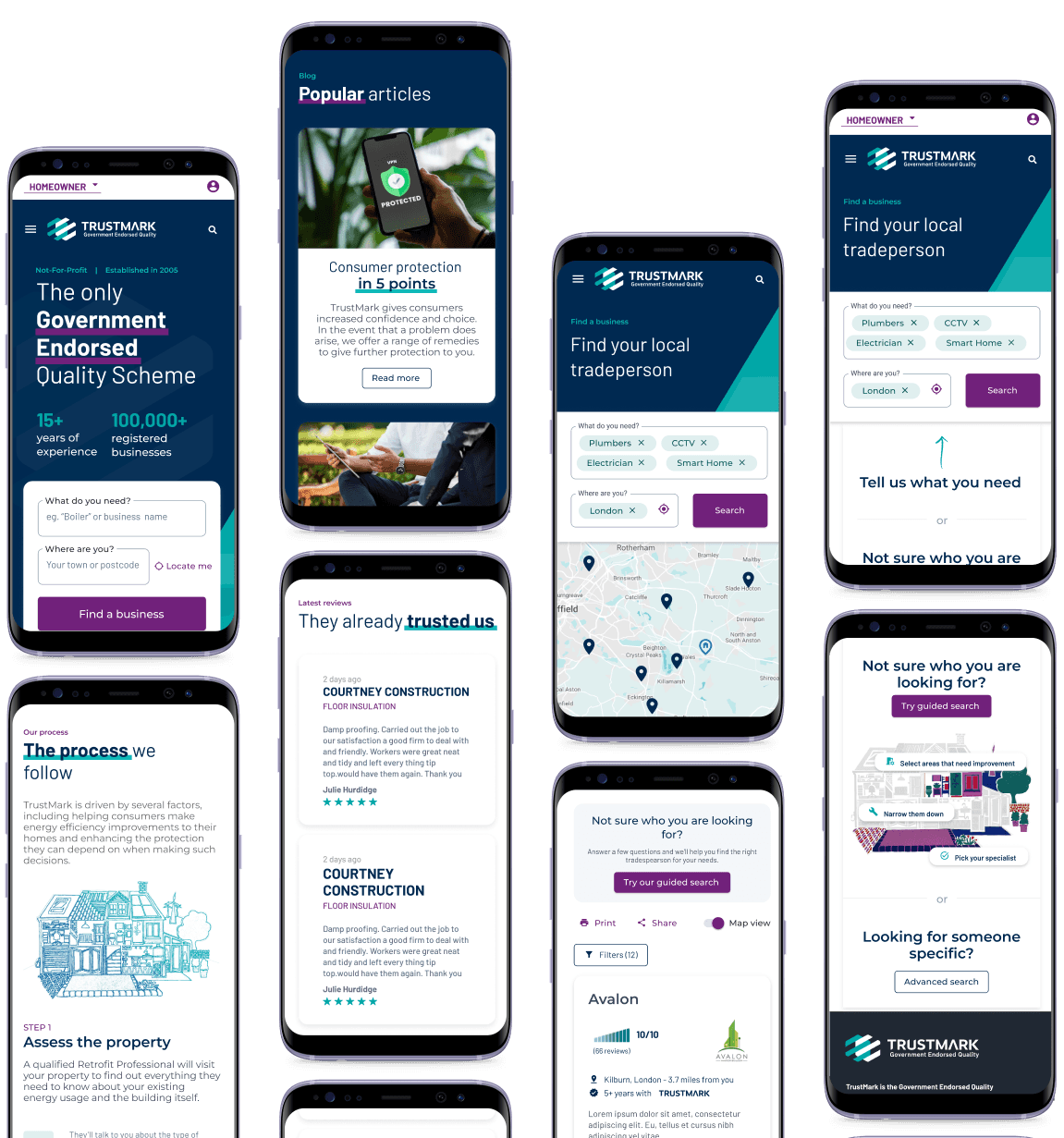
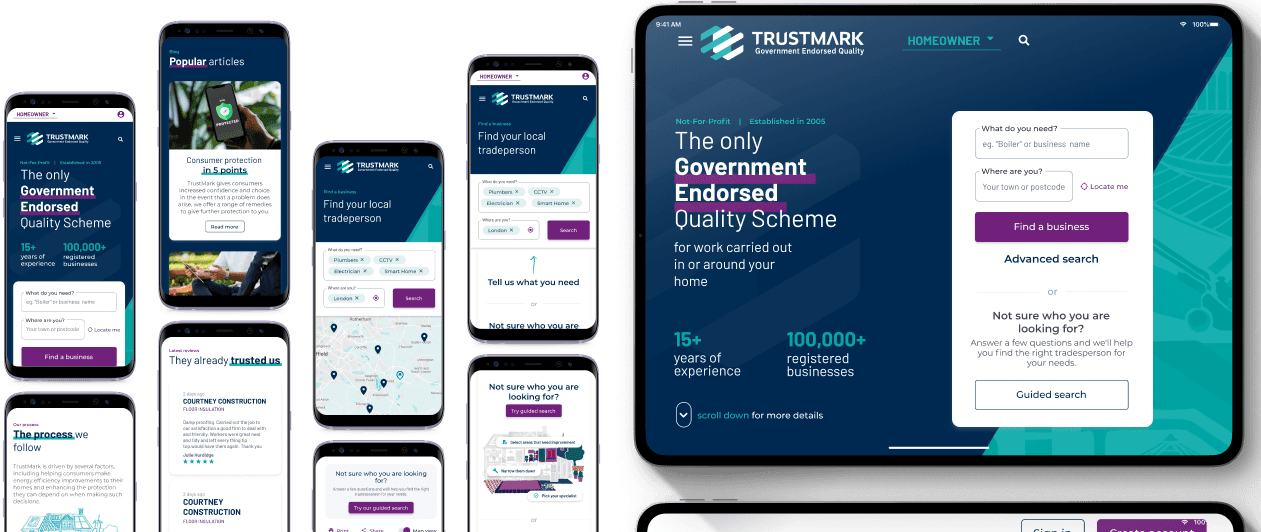
TrustMark is a UK government-endorsed platform connecting homeowners with certified contractors for energy-efficient home renovations. The platform needed a complete design to serve multiple user groups — individual homeowners, landlords, and businesses — in a domain heavy with legislation, compliance, and technical complexity.
Our team ran a 9-month discovery phase: from strategy workshops through research with 1,600+ respondents to tested, validated prototypes. The product is now live.
Category:
Web service
Client:
Trustmark
Domain:
Real Estate
Duration:
9 months
Actions
Strategy Workshop
Competitive analysis
Advanced user research
Wireframing
User interface design
Axure prototyping
Usability testing
[MY ROLE]
UX Designer in a 4-person team (2 UX, 2 analysts).
I designed and conducted user research (qualitative interviews and quantitative studies, including full recruitment and logistics), built interactive Axure prototypes, designed the UI, and co-facilitated strategy workshops with the full team.
[PROJECT NEED]
To help the UK achieve carbon neutrality by 2050, TrustMark aims to assist in the retrofitting of 25 million homes with an efficient platform connecting customers to contractors and energy transformation organisations. Analysis and Design team the discovery phase and prepared the product for development.
[STRATEGIC BEGININGS]
Navigating the road ahead
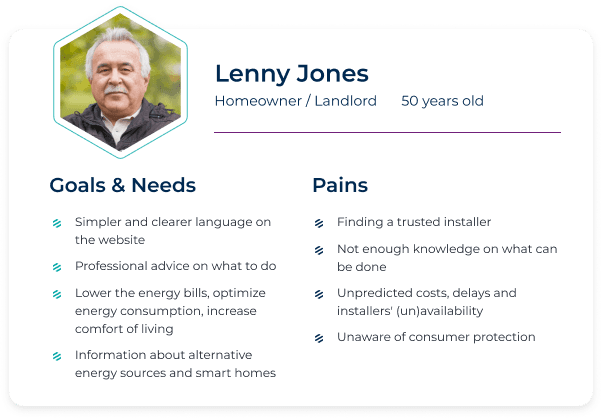
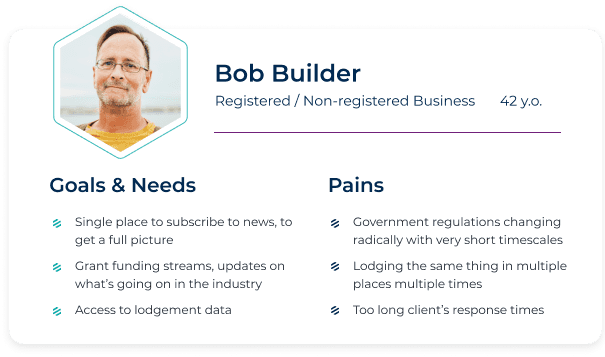
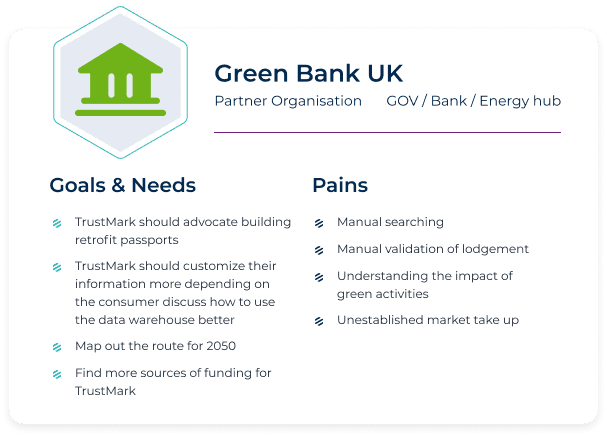
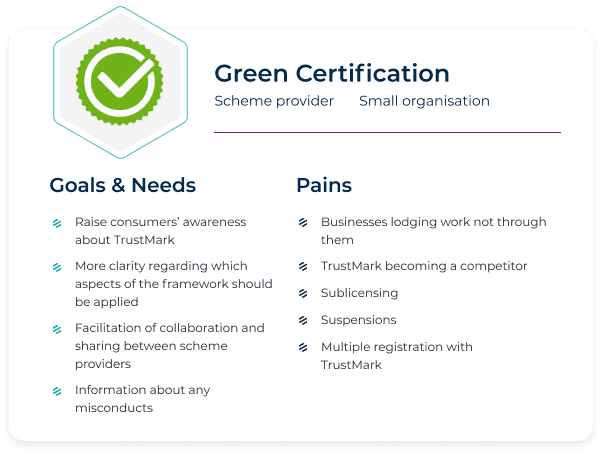
During the workshops we used the Business Model Canvas to shape strategy, SMART Goals to set clear objectives, and The Value Map to refine key benefits. While Personas and the Customer Journey Map ensured a user-centered approach, optimizing engagement at every touchpoint
[RESEARCH]
From 18 in-depth interviews and 1,645 survey responses across four user groups, one finding reshaped the product direction: for individual homeowners, proximity and responsiveness of contractors were the deciding factors — far more than price or certifications.
What we concluded?
This led to a major design decision: we prioritized a map-based contractor search with distance filtering as the core feature of the homeowner experience, rather than the list-based directory the client originally envisioned.
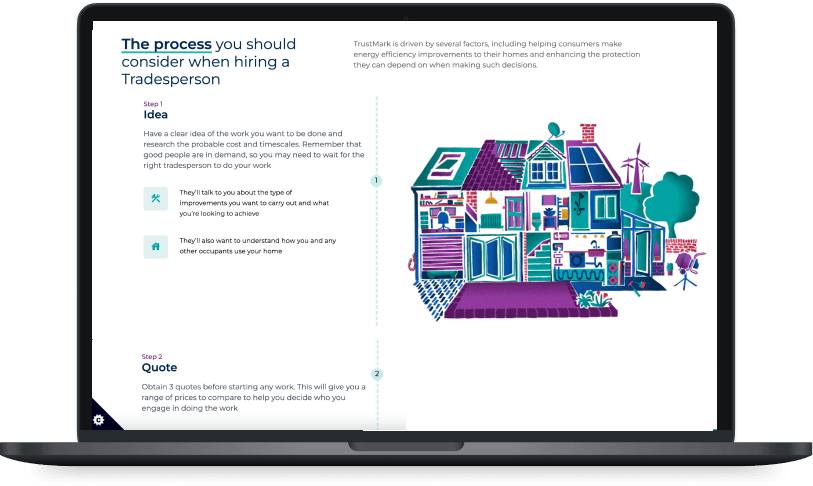
Beyond the core finding, research confirmed several priorities across user groups: homeowners needed step-by-step guidance through an unfamiliar process; landlords needed a dedicated area for retrofit legislation; business users needed simplified sublicensing and better notification systems.
Homeowners needed step-by-step guidance — the retrofit process was unfamiliar and overwhelming
Business users needed simplified sublicensing and automated manual processes
[IDEATION]
Turning vision into actions
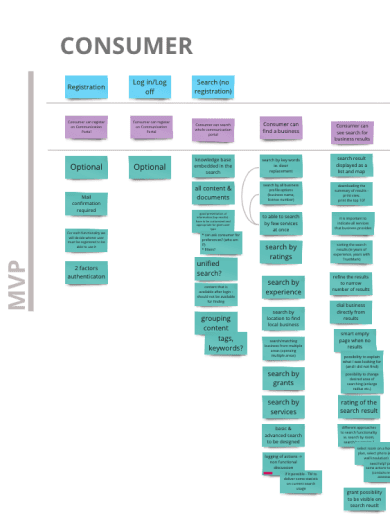
Through ideation workshops, we prioritized features (MoSCoW), mapped the user journey (Story Mapping), and defined WCAG accessibility levels. A risk workshop identified potential challenges, assessing probability and impact, ensuring a strategic and resilient Trustmark.
Previous app: Issues in the UI, as seen in the job offers example.
New app information architecture
[DESIGN]
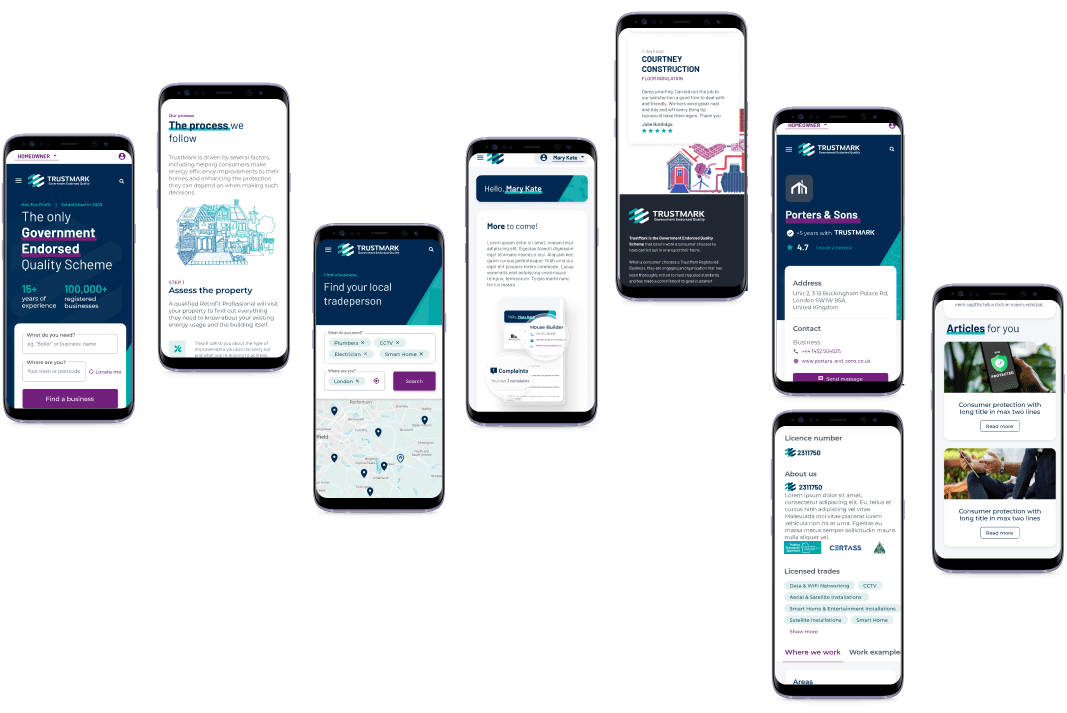
In the design phase, we translated ideas into tangible experiences by creating low-fi and hi-fi mockups, ensuring a user-centered interface.
To test usability and functionality, we developed two interactive Axure prototypes—one for landlords and another for business users—tailored to their specific needs.
Through user testing, we validated key design decisions, refining interactions and improving usability to ensure a seamless and intuitive experience.
From concept to validation
To visualize and refine the user experience, we first developed low-fidelity mockups, focusing on structure and functionality, before evolving them into high-fidelity designs with polished visuals and interactions. We then built two Axure prototypes—one for landlords and one for business users—tailored to their unique workflows.
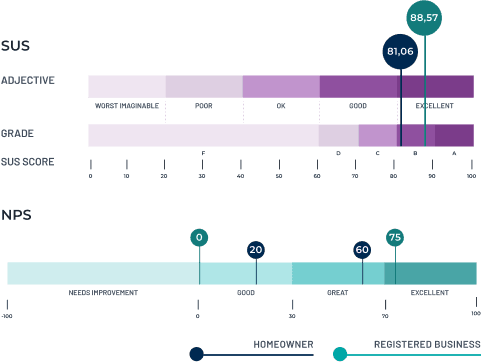
To ensure usability and satisfaction, we conducted 11 user tests across two user groups, gathering valuable feedback on functionality and interactions. We measured System Usability Scale (SUS) scores to assess ease of use and evaluated Net Promoter Score (NPS) to gauge user satisfaction and engagement. These insights helped refine the design, ensuring Trustmark met user expectations with a seamless and intuitive experience.
A critical design decision: switching between user types. The platform serves both individual homeowners and business users. The original design used a dropdown menu to switch between these contexts — but usability tests revealed users didn't understand the concept. We replaced it with a visible switch component and relocated it prominently in the interface. Post-change testing confirmed the confusion was resolved.
New app information architecture
How tests went?
During all usability testing sessions, there were collected 139 conclusions in total.
Out of these, only 5 were marked as critical and 12 as serious problems. The majority of all conclusions belong to minor issues or ideas for improvement.
We conducted 11 usability tests across two user groups, collecting 139 findings — of which only 5 were critical and 12 serious. Final measurements:
SUS scores: 81 and 88 (both above the industry benchmark of 68 — indicating a "good" to "excellent" user experience)
NPS scores: 60 and 75 (both firmly in the "excellent" range, signaling strong user satisfaction and likelihood to recommend)
Previous app: Issues in the UI, as seen in the job offers example.
[SUMMARY]
So what did we achieve?
The discovery phase successfully identified key user needs and pain points, providing a clear direction for the project's development. Comprehensive research and stakeholder engagement ensured a well-defined scope and actionable insights for the delivery phase.
Lessons learnt
/ What would we do differently?
Data beats assumptions — even when it reshapes your MVP
The map-based search wasn't in the original scope — it emerged purely from research. Without that discovery, the homeowner experience would have launched without its most critical feature
Test the conceptual model, not just the UI
The dropdown-vs-switch issue wasn't a visual problem — users didn't understand that one platform serves two different audiences. The lesson: test whether people grasp the idea before polishing the interface
Recruit harder, or accept the bias
Recruiting highly specific user groups (landlords with retrofit experience, business users of a niche compliance platform) took far longer than planned. Popular testing platforms didn't deliver the quality we needed. Next time: start recruitment in week one, not week three
Project conclusion
The discovery phase delivered a validated product direction backed by research with 1,600+ users, two tested prototypes, and clear development specifications. The product moved into development and is now live — serving the UK's path to retrofitting 25 million homes by 2050.